“Ellos no se tienen para siempre, se tienen el uno al otro.”
Bajo la misma estrella
A pesar de que un milagro médico ha conseguido reducir su tumor y darle unos años más de vida, la adolescente Hazel siempre se ha considerado una enferma terminal. Sin embargo, cuando el joven Gus entra a formar parte del grupo de ayuda para enfermos de cáncer juvenil, la vida de Hazel se transforma por completo.
Dirección
Josh Boone
Guion
Scott Neustadter, Michael H. Weber
Estreno
2014-06-02
Duración
125 min
Clasificación
7
Presupuesto
$14M
Recaudación
$307M
Idiomas
English
Dónde verlo
Alquiler




Compra
Datos de JustWatch vía TMDB · Disponibilidad en España
Sinopsis
A pesar de que un milagro médico ha conseguido reducir su tumor y darle unos años más de vida, la adolescente Hazel siempre se ha considerado una enferma terminal. Sin embargo, cuando el joven Gus entra a formar parte del grupo de ayuda para enfermos de cáncer juvenil, la vida de Hazel se transforma por completo.
Temas
Reparto principal
16 actores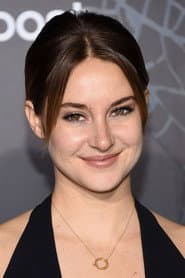
Shailene Woodley
Hazel Grace Lancaster

Ansel Elgort
Augustus Waters

Nat Wolff
Isaac

Laura Dern
Frannie Lancaster

Sam Trammell
Michael Lancaster

Willem Dafoe
Peter van Houten

Lotte Verbeek
Lidewij Vliegenthart

Ana Dela Cruz
Dr. Maria

Randy Kovitz
Dr. Simmons

Toni Saladna
Flight Attendant

David Whalen
Gus' Dad

Milica Govich
Gus' Mom

Allegra Carpenter
Hostess

Emily Peachey
Monica

Emily Bach
Monica's Mom

Tim Hartman
Minister
Reseñas
Antonio Alaminos-Fernández
enero de 2023
(Inglés/Castellano) The Fault in Our Stars is a heartwarming and emotional film that tells the story of Hazel Grace Lancaster, a teenager suffering from terminal cancer. The film, based on the highly successful novel by John Green, is a faithful adaptation that avoids exploiting the sensitive subject matter and instead focuses on the human story at its core. Shailene Woodley delivers a powerful performance as Hazel, capturing the character's wit, sensitivity, pain, and hope. Ansel Elgort also shines as Gus, Hazel's charming and spontaneous love interest. The film's handling of cancer is tasteful and respectful, avoiding sentimentality and overblown drama. Director Josh Boone shows restraint in his adaptation and the film's third act is a quiet, poignant and understanding conclusion. The Amsterdam section of the film provides a nice break from the story and offers a fitting backdrop for the film. However, the use of Anne Frank's house as a location for a romantic moment feels out of place and was a strange choice. Overall, The Fault in Our Stars is a well-crafted and moving film that will make you laugh, hope and cry. ____________________________ The Fault in Our Stars es una película conmovedora y emotiva que cuenta la historia de Hazel Grace Lancaster, una adolescente que sufre de cáncer terminal. La película, basada en la novela de gran éxito de John Green, es una adaptación fiel que evita explotar el tema sensible y, en cambio, se centra en la historia humana en su esencia. Shailene Woodley ofrece una actuación poderosa como Hazel, capturando el ingenio, la sensibilidad, el dolor y la esperanza del personaje. Ansel Elgort también brilla como Gus, el encantador y espontáneo interés amoroso de Hazel. El manejo del cáncer en la película es de buen gusto y respetuoso, evitando el sentimentalismo y el drama exagerado. El director Josh Boone muestra moderación en su adaptación y el tercer acto de la película es una conclusión tranquila, conmovedora y comprensiva. La sección de Ámsterdam de la película proporciona un buen descanso de la historia y ofrece un telón de fondo adecuado para la película. Sin embargo, el uso de la casa de Ana Frank como lugar para un momento romántico se siente fuera de lugar y fue una elección extraña. En general, The Fault in Our Stars es una película bien hecha y conmovedora que te hará reír, esperar y llorar.
Marco-Hugo Landeta Vacas
julio de 2026
(CASTELLANO) Bajo la misma estrella es muy bonita, muy triste y muy lacrimógena. Tampoco intenta esconderlo. Desde el principio sabes que has entrado en una historia de amor marcada por la enfermedad, que tarde o temprano va a apretar todos los botones necesarios para hacerte llorar. Y sí, lo hace. Pero también consigue algo que no siempre logran este tipo de películas: que sus personajes importen antes de empezar a sufrir por ellos. Hazel es una adolescente que vive pendiente de una bombona de oxígeno y de una enfermedad que ha reducido su mundo mucho antes de tiempo. En un grupo de apoyo conoce a Augustus, un chico seguro de sí mismo, divertido y algo teatral, que se niega a comportarse como si su vida se hubiera terminado. A partir de ahí nace una relación que tiene mucho de romance juvenil, pero también de miedo, humor, rabia y necesidad de aprovechar el tiempo que les queda. La historia podría haber caído fácilmente en el drama médico más tópico. Enfermos ejemplares, frases inspiradoras, música triste y una lección de vida cada cinco minutos. Algo de eso hay, por supuesto, pero la película funciona mejor cuando recuerda que Hazel y Augustus son adolescentes antes que símbolos. Se enamoran, se hacen los interesantes, se enfadan, dicen cosas demasiado solemnes y creen que su historia es el centro del universo. Como casi todos a esa edad. Shailene Woodley es la principal razón por la que la película no se hunde en el exceso. Está muy bien, sobre todo cuando no necesita grandes discursos. Le basta una mirada, una sonrisa pequeña o una forma de quedarse en silencio para transmitir cansancio, miedo y ganas de seguir viviendo. Hazel no aparece como una santa ni como una víctima perfecta, sino como una chica inteligente, irónica y bastante harta de que todo el mundo la mire con compasión. Ansel Elgort tiene un personaje más construido para gustar. Augustus es encantador, seguro, gracioso y siempre parece tener una frase preparada. En algunos momentos puede resultar demasiado perfecto o demasiado consciente de su propio carisma, pero la química entre los dos funciona. La relación es creíble porque, debajo de toda esa idealización romántica, hay dos jóvenes intentando fingir que controlan algo que en realidad les da muchísimo miedo. También ayuda que la película tenga humor. No todo son hospitales, lágrimas y discursos sobre la muerte. Hay conversaciones ligeras, bromas, pequeños momentos de felicidad y una naturalidad que hace que el golpe emocional llegue mejor cuando llega. La enfermedad está siempre presente, pero no ocupa absolutamente todo. Esa es una de las mayores virtudes de la historia: no trata a sus protagonistas únicamente como enfermos. Ahora bien, la película manipula. Muchísimo. Hay música entrando en el momento exacto, frases diseñadas para quedarse, silencios largos y escenas construidas con una precisión casi científica para ejercitar las glándulas lagrimales. A veces la emoción nace de verdad de los personajes; otras veces se nota demasiado la mano del guion empujando al espectador hacia el pañuelo. También hay momentos algo cursis y diálogos que ningún adolescente normal soltaría con tanta perfección. Hazel y Augustus hablan a veces como si llevaran toda la vida preparando frases para ser subrayadas en un libro. Pero, curiosamente, eso forma parte del encanto. La película no busca un realismo seco. Busca una versión romántica, literaria y algo idealizada del primer amor cuando el tiempo juega en contra. El viaje a Ámsterdam es quizá el momento donde mejor se mezclan todos sus elementos: la ilusión, el romance, la literatura, el desencanto y la sensación de estar viviendo algo irrepetible. La película se permite ser luminosa durante un rato, aunque nunca deje olvidar que la fragilidad está ahí. Esa combinación entre felicidad y amenaza es lo que hace que el romance tenga fuerza. No es una película sutil. Quien entre rechazando de antemano cualquier intento de manipulación emocional probablemente la encontrará insoportable. Pero para quienes acepten el juego, Bajo la misma estrella funciona. Porque, aunque sepamos que quiere hacernos llorar, los sentimientos que construye no parecen completamente falsos. Es una historia de amor juvenil bonita, triste y muy consciente de su efecto. No descubre nada nuevo sobre la enfermedad, el dolor o la pérdida, pero lo cuenta con cariño, con buenos actores y con personajes que se hacen querer. Puede ser cursi, puede ser excesiva y puede apretar demasiado el botón de la lágrima, pero cuesta permanecer completamente frío ante ella. (ENGLISH) The Fault in Our Stars is beautiful, sad and extremely sentimental. It does not try to hide it either. From the beginning, you know you have entered a love story shaped by illness, one that will eventually press every button necessary to make you cry. And yes, it does. But it also achieves something these films do not always manage: it makes its characters matter before asking us to suffer for them. Hazel is a teenager whose life revolves around an oxygen tank and an illness that has made her world much smaller far too soon. At a support group, she meets Augustus, a confident, funny and slightly theatrical boy who refuses to behave as if his life is already over. From there grows a relationship that is very much a young romance, but also a story about fear, humor, anger and the need to make use of whatever time they have left. The story could easily have fallen into the most predictable kind of medical drama: inspirational patients, sad music and a life lesson every five minutes. Some of that is certainly present, but the film works best when it remembers that Hazel and Augustus are teenagers before they are symbols. They fall in love, try to impress each other, argue, say things that are far too solemn and believe their story is the center of the universe. Like most people at that age. Shailene Woodley is the main reason the film does not collapse under the weight of its emotions. She is especially good when she does not need big speeches. A look, a small smile or the way she remains silent is enough to communicate exhaustion, fear and the desire to keep living. Hazel is not presented as a saint or a perfect victim, but as an intelligent, ironic girl who is tired of everyone looking at her with pity. Ansel Elgort has the more obviously charming role. Augustus is confident, funny and always seems to have the perfect line ready. At times, he can feel too idealized or too aware of his own charisma, but the chemistry between the two actors works. Their relationship feels believable because beneath all the romantic idealization are two young people pretending they have control over something that terrifies them. It also helps that the film has humor. It is not all hospitals, tears and speeches about death. There are light conversations, jokes, small moments of happiness and an easy naturalness that makes the emotional blows land harder. Illness is always present, but it does not occupy absolutely everything. That is one of the story’s greatest strengths: it does not treat its characters only as patients. That said, the film is manipulative. Very much so. Music arrives at exactly the right moment, lines are designed to be remembered, silences are extended and scenes are built with almost scientific precision to exercise the viewer’s tear ducts. Sometimes the emotion genuinely comes from the characters; at other times, you can clearly feel the screenplay pushing you toward the tissues. There are also sentimental moments and lines that no normal teenager would deliver with such perfection. Hazel and Augustus sometimes speak as if they have spent their entire lives preparing sentences to be underlined in a novel. Strangely enough, that is part of the charm. The film is not searching for dry realism. It wants a romantic, literary and slightly idealized version of first love when time is working against you. The trip to Amsterdam may be the point where all the film’s elements come together best: excitement, romance, literature, disappointment and the feeling of living through something unique. The film allows itself to be bright for a while, although it never lets us forget that fragility is always there. That mixture of happiness and threat is what gives the romance its strength. This is not a subtle film. Anyone who immediately rejects emotional manipulation will probably find it unbearable. But for viewers willing to accept the game, The Fault in Our Stars works. Even though we know it wants to make us cry, the emotions it creates do not feel entirely false. It is a beautiful, sad and very self-aware young love story. It says nothing especially new about illness, pain or loss, but it tells its story with warmth, strong performances and characters who are easy to care about. It can be sentimental, excessive and far too eager to press the tear button, but it is difficult to remain completely unmoved.
Producción