

Dirección
Baltasar Kormákur
Guion
Simon Beaufoy, William Nicholson
Estreno
2015-09-10
Duración
121 min
Clasificación
12
Presupuesto
$55M
Recaudación
$203M
Idiomas
English
Dónde verlo
Incluido en suscripción


Alquiler




Compra
Datos de JustWatch vía TMDB · Disponibilidad en España
Sinopsis
Narra la historia del neozelandés Rod Edwin Hall, quien el 10 de Mayo de 1996 empezó su ascenso del Everest junto con Scott Fischer.
Temas
Reparto principal
16 actores
Jason Clarke
Rob Hall

Josh Brolin
Beck Weathers

Jake Gyllenhaal
Scott Fischer

Elizabeth Debicki
Caroline Mackenzie

Keira Knightley
Jan Arnold
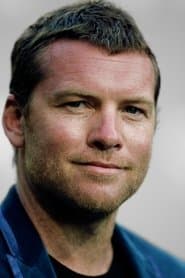
Sam Worthington
Guy Cotter

Robin Wright
Peach Weathers

Emily Watson
Helen Wilton

John Hawkes
Doug Hansen

Michael Kelly
Jon Krakauer

Clive Standen
Ed Viesturs

Martin Henderson
Andy 'Harold' Harris

Vanessa Kirby
Sandy Hill Pittman

Kumud Pant
Taiwan Sherpa

Thomas M. Wright
Michael Groom

Naoko Mori
Yasuko Namba
Reseñas
Marco-Hugo Landeta Vacas
agosto de 2025
(CASTELLANO) No es fácil mirar al Everest y no pensar en la épica. Pero esta película no busca homenajes ni glorias: se mete en la tormenta para mostrar el lado más cruel de una obsesión. Desde el primer momento, el director deja claro que aquí no hay héroes, solo personas empeñadas en desafiar lo indomable, pagando un precio brutal. La sensación que deja es más parecida a la de un duelo que a la de una aventura. Y funciona. Vaya si funciona. El ritmo puede parecer frío, como la propia montaña. Pero esa es justo su virtud. Kormákur no intenta edulcorar el sufrimiento ni maquillar la desesperación. Las escenas se sienten reales, casi documentales a ratos, y hay planos que abruman por su silencio. Más allá de la espectacularidad técnica —que la hay—, lo que golpea es esa acumulación de decisiones pequeñas que, una tras otra, empujan a los personajes hacia lo inevitable. Hay momentos en los que cuesta seguir a tantos personajes, y algunos podrían haber tenido más peso emocional. Pero quizá eso también hable de la confusión real en situaciones extremas. Cuando estás a 8000 metros, el mundo se reduce al oxígeno que no tienes, al paso que no das. La película transmite esa angustia con una crudeza admirable. Lo más perturbador es darse cuenta de que no hay un monstruo que perseguir, ni una amenaza externa que combatir. Solo hay gente que lo tenía todo, y lo arriesgó por estar un minuto en la cima. Y ese minuto se convirtió en el último. Cuando la nieve lo cubre todo y el silencio se impone, es difícil no pensar en lo absurdo de ese impulso que a veces nos mueve: demostrar algo que no necesita demostración. Everest no conmueve a base de discursos, sino de vacío. No emociona con música, sino con el peso del aire que falta. Es de esas películas que no se recuerdan por una escena, sino por lo que te dejan dentro cuando terminan. Una mezcla extraña de admiración y tristeza, como cuando te das cuenta de que no todo lo grande es hermoso. (ENGLISH) It’s hard to look at Everest without thinking of epic triumph. But this film isn’t aiming for tribute or glory—it throws itself into the storm to reveal the brutal cost of obsession. From the very beginning, the director makes it clear: there are no heroes here, just people determined to challenge the unchallengeable, paying a steep price. What remains is more like mourning than adventure. And it works. It really does. The pacing might feel cold, like the mountain itself. But that’s exactly the point. Kormákur doesn’t try to sweeten the pain or dress up the despair. Some scenes feel almost documentary-like, and certain shots overwhelm with their stillness. Beyond the visual spectacle—and it is spectacular—what hits the hardest is the steady accumulation of small decisions that lead these people to the edge. At times it’s hard to follow so many characters, and a few could’ve had more emotional weight. But maybe that speaks to the real confusion of extreme situations. At 8,000 meters, your world shrinks to the breath you don’t have, the step you can’t take. The film captures that suffocating tension with admirable clarity. What’s most disturbing is the absence of a villain. There’s no monster, no external threat—just people who had it all and risked everything to stand at the summit for a single minute. And that minute became their last. When the snow settles and silence takes over, it’s hard not to question that drive to prove something no one asked you to prove. Everest doesn’t move you with speeches, but with emptiness. It doesn’t stir with music, but with the weight of missing air. It’s one of those films you remember not for one specific scene, but for the feeling it leaves in your gut. A strange blend of awe and grief—like realizing not everything great is beautiful.
Producción


