

Viaje a Darjeeling
Tres hermanos americanos que llevaban un año sin hablarse, deciden hacer un viaje en tren por la India, con la intención de encontrarse a ellos mismos y conectar con los demás. En resumen, para volver a ser hermanos, como solían serlo. Pero, por varias razones, su aventura espiritual se tuerce rápidamente.
Dirección
Wes Anderson
Guion
Wes Anderson, Jason Schwartzman
Estreno
2007-09-07
Duración
91 min
Clasificación
A
Presupuesto
$16M
Recaudación
$24M
Idiomas
English, हिन्दी, Deutsch, བོད་སྐད་།
Dónde verlo
Incluido en suscripción

Alquiler




Compra
Datos de JustWatch vía TMDB · Disponibilidad en España
Parte de la saga
The Darjeeling Limited Collection
Sinopsis
Tres hermanos americanos que llevaban un año sin hablarse, deciden hacer un viaje en tren por la India, con la intención de encontrarse a ellos mismos y conectar con los demás. En resumen, para volver a ser hermanos, como solían serlo. Pero, por varias razones, su aventura espiritual se tuerce rápidamente.
Temas
Reparto principal
16 actores
Owen Wilson
Francis

Adrien Brody
Peter

Jason Schwartzman
Jack

Amara Karan
Rita

Wallace Wolodarsky
Brendan

Waris Ahluwalia
The Chief Steward

Irrfan Khan
The Father

Barbet Schroeder
The Mechanic

Camilla Rutherford
Alice
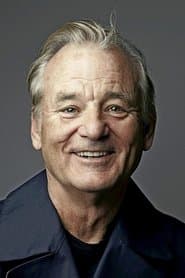
Bill Murray
The Businessman

Anjelica Huston
Patricia
A. P. Singh
Taxi Driver

Kumar Pallana
Old Man
Dalpat Singh
Waiter
Trudy Mathis
German Lady #1
Margot Gödrös
German Lady #2
Reseñas
Marco-Hugo Landeta Vacas
agosto de 2026
(CASTELLANO) *Viaje a Darjeeling* es una de esas películas que, en teoría, tiene todos los elementos para gustarme más de lo que finalmente me ha gustado: tres hermanos que llevan tiempo distanciados, un viaje en tren por la India, heridas familiares, la muerte del padre y una búsqueda espiritual que debería acercarlos. El problema es que casi todo me resulta demasiado artificial, como si la película estuviera más pendiente de parecer especial que de conseguir que yo conecte con lo que cuenta. Francis, Peter y Jack viajan juntos porque el primero quiere recuperar la relación entre los tres. Cada uno arrastra sus propios problemas, aunque no siempre se hablan de frente. Se pelean, se ocultan cosas, toman decisiones absurdas y avanzan por un recorrido que debería servirles para enfrentarse al pasado. Sobre el papel hay una historia clara. Viéndola, sin embargo, muchas veces me preguntaba adónde quería llegar realmente. Wes Anderson construye cada plano con muchísimo cuidado. Los colores, el tren, los paisajes, el vestuario y hasta las maletas parecen colocados para que nada quede al azar. Visualmente tiene personalidad, eso es evidente. Pero precisamente ese control absoluto termina creando una distancia enorme. Los personajes parecen moverse dentro de una maqueta preciosa más que en un mundo real. También está ese humor seco, extraño y deliberadamente inexpresivo que a veces me funciona y otras me deja completamente fuera. Aquí me ha ocurrido más lo segundo. Varias situaciones parecen creadas para resultar excéntricas, pero a mí se me han hecho un poco tontas. No me basta con que tres personajes se comporten de forma rara para encontrar profundidad en ellos. Owen Wilson, Adrien Brody y Jason Schwartzman están bien. Los tres consiguen diferenciar a los hermanos y muestran una química creíble, sobre todo cuando discuten o se atacan con esa mezcla de rencor y confianza que solo existe dentro de una familia. Brody es quizá quien transmite más sin necesidad de exagerar, mientras Wilson convierte a Francis en alguien controlador, pesado y, a su manera, necesitado de afecto. La película mejora cuando deja un poco de lado las bromas y aparece algo verdaderamente doloroso. Hay un momento concreto en el que el viaje deja de ser una comedia extravagante y los tres hermanos se enfrentan a una situación que los obliga a reaccionar juntos. Ahí sí he entendido lo que la película quería contar: la muerte, la culpa, la familia y la imposibilidad de escapar del dolor simplemente cambiando de paisaje. El problema es que esos momentos no bastan para sostener todo lo demás. La relación con la madre, la obsesión por el padre muerto y el viaje espiritual deberían dar más fuerza al conjunto, pero muchas veces parecen piezas dispersas. La película avanza de una escena peculiar a otra sin que yo sintiera una evolución especialmente clara. Supongo que ahí está parte de su intención: los personajes no llegan a una gran revelación y el viaje no soluciona mágicamente sus vidas. Pero una cosa es evitar las respuestas fáciles y otra transmitir la sensación de que la historia no tiene pies ni cabeza. Yo he sentido lo segundo durante demasiados minutos. No diría que sea mala. Está muy bien rodada, tiene buenos actores, alguna escena divertida y un tramo emocional bastante logrado. Pero es una película que admiro más por su aspecto que por lo que me hace sentir. Sus rarezas, su humor y su forma de contar la historia me han mantenido siempre a cierta distancia. *Viaje a Darjeeling* quiere hablar de tres hermanos que buscan reconciliarse entre ellos y con su pasado. Lo entiendo. El problema es que entre tanta composición perfecta, tanta extravagancia y tanto simbolismo, a mí la historia se me ha perdido por el camino. (ENGLISH) *The Darjeeling Limited* is one of those films that should have appealed to me more than it actually did. It has three estranged brothers, a train journey through India, family wounds, a dead father and a spiritual trip that is supposed to bring them closer together. The problem is that almost everything feels too artificial, as though the film cares more about looking special than making me connect with what it is saying. Francis, Peter and Jack travel together because Francis wants to repair their relationship. Each brother carries his own problems, although they rarely speak openly about them. They argue, hide things from one another, make ridiculous decisions and continue along a journey that should force them to face their past. On paper, the story is clear. While watching it, I often wondered where it was actually going. Wes Anderson builds every shot with enormous care. The colours, the train, the landscapes, the costumes and even the luggage seem positioned so that nothing is accidental. Visually, the film clearly has personality. Yet that absolute control also creates a great deal of distance. The characters often seem to be moving through a beautiful model rather than a real world. There is also the dry, strange and deliberately emotionless humour that sometimes works for me and sometimes leaves me completely outside the film. Here, it was mostly the latter. Several situations seem designed to be eccentric, but I simply found them a little silly. Three characters behaving strangely is not automatically the same thing as depth. Owen Wilson, Adrien Brody and Jason Schwartzman are good. They make the brothers distinct and share believable chemistry, especially when they argue with the mixture of resentment and familiarity that only exists inside a family. Brody perhaps communicates the most without overplaying anything, while Wilson makes Francis controlling, irritating and, in his own way, desperate for affection. The film improves when it moves away from the jokes and something genuinely painful enters the story. There is a moment when the journey stops being an eccentric comedy and the brothers face a situation that forces them to act together. That is where I finally understood what the film wanted to explore: death, guilt, family and the impossibility of escaping pain simply by changing scenery. The problem is that those scenes are not enough to support everything else. The relationship with their mother, the memory of their father and the spiritual journey should give the film more weight, but they often feel like scattered pieces. It moves from one peculiar scene to another without giving me a strong sense of real development. I understand that the lack of a great revelation may be part of the point. The journey does not magically repair their lives. But avoiding easy answers is not the same as making the story feel shapeless. Too often, it felt to me as though it had neither direction nor purpose. I would not call it a bad film. It is beautifully made, well acted and occasionally funny, with one emotional section that works very well. But it is a film I admire more for its appearance than for anything it made me feel. *The Darjeeling Limited* wants to tell the story of three brothers trying to reconnect with one another and with their past. I understand that. The problem is that beneath all the perfect compositions, eccentric behaviour and symbolism, I lost the story somewhere along the way.
Producción


