“La historia detrás del asesino en serie más famoso de Estados Unidos.”
Extremadamente cruel, malvado y perverso
Ted Bundy fue uno de los asesinos en serie más peligroso de los años 70 pero, además de asesino fue un secuestrador, violador, ladrón, necrófilo... Su novia, Elizabeth Kloepfer, se convirtió en una de sus más fieles defensoras, negándose a creer la verdad sobre él durante años. La historia de sus numerosos y terribles crimenes contada a través de los ojos de Elizabeth.
Dirección
Joe Berlinger
Guion
Michael Werwie
Estreno
2019-05-02
Duración
108 min
Clasificación
16
Idiomas
English
Dónde verlo
Incluido en suscripción


Datos de JustWatch vía TMDB · Disponibilidad en España
Sinopsis
Ted Bundy fue uno de los asesinos en serie más peligroso de los años 70 pero, además de asesino fue un secuestrador, violador, ladrón, necrófilo... Su novia, Elizabeth Kloepfer, se convirtió en una de sus más fieles defensoras, negándose a creer la verdad sobre él durante años. La historia de sus numerosos y terribles crimenes contada a través de los ojos de Elizabeth.
Reparto principal
16 actores
Zac Efron
Ted Bundy

Lily Collins
Liz Kendall

Kaya Scodelario
Carole Anne Boone

Jeffrey Donovan
Utah Defense Attorney John O'Connell

Angela Sarafyan
Joanna

Dylan Baker
Utah Prosecutor David Yocom

Brian Geraghty
Florida Public Defender Dan Dowd

Terry Kinney
Detective Mike Fisher

Haley Joel Osment
Liz's Co-Worker Jerry
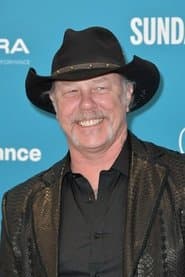
James Hetfield
Officer Bob Hayward

Grace Victoria Cox
Carol Daronch

Jim Parsons
Florida Prosecutor Larry Simpson

John Malkovich
Judge Edward D. Cowart
Sydney Vollmer
Babysitter
Macie Carmosino
2 Yr Old Molly
Ava Inman
4 Yr Old Molly
Reseñas
Marco-Hugo Landeta Vacas
agosto de 2026
(CASTELLANO) Esperaba bastante poco de *Extremadamente cruel, malvado y perverso*. Quizá porque Ted Bundy ha sido explotado tantas veces en documentales, películas y series que parecía difícil encontrar una manera distinta de acercarse otra vez a él. Y, sin embargo, me ha gustado. Joe Berlinger toma una decisión que cambia completamente la película: no construirla principalmente alrededor de los crímenes, sino alrededor de la gente que convivió con Bundy y, especialmente, de Elizabeth Kloepfer. Porque para mí la verdadera protagonista es ella. Lily Collins interpreta a una mujer que tiene delante pruebas, sospechas, contradicciones y comportamientos cada vez más difíciles de justificar y, aun así, continúa buscando explicaciones que le permitan conservar al hombre del que se enamoró. Y eso resulta casi más inquietante que mostrar directamente los asesinatos. Bundy poseía una capacidad de manipulación extraordinaria. Podía mostrarse educado, encantador, inteligente, incluso vulnerable, mientras construía a su alrededor una versión de sí mismo completamente incompatible con la realidad. Zac Efron entiende muy bien eso. Su elección puede parecer inicialmente extraña precisamente por la imagen que arrastraba como actor, pero aquí esa apariencia atractiva y aparentemente inofensiva juega a favor de la película. Bundy no necesitaba parecer un monstruo. Ese era precisamente el problema. Efron consigue que durante buena parte del metraje entendamos cómo podía resultar convincente para quienes estaban cerca de él. No porque la película pretenda justificarle, sino porque intenta reproducir el mecanismo que le permitía manipular a los demás. Y ahí está también lo incómodo de Liz. Desde fuera es facilísimo preguntarse cómo podía seguir creyéndole. ¿Cómo puede perdonar eso? ¿Cómo puede ignorar aquello? ¿Cómo puede seguir esperando otra explicación? Pero la película funciona cuando deja de plantearlo como estupidez y empieza a mostrarlo como una forma de dependencia emocional, de negación y también de manipulación acumulada durante años. Aceptar que la persona con la que has compartido tu vida puede ser alguien completamente distinto de quien creías no es simplemente cambiar de opinión. Es destruir tu propia historia. Y Lily Collins está muy bien mostrando ese proceso. Hay culpa, miedo, amor, vergüenza y una necesidad casi desesperada de encontrar una versión de los hechos en la que todo pueda seguir teniendo sentido. Por eso creo que resulta un error mirar la película únicamente como un biopic de Ted Bundy. Es mucho más interesante como historia sobre cómo alguien así podía existir delante de todo el mundo sin que quienes le querían fueran capaces —o quisieran ser capaces— de ver lo que realmente era. Berlinger, además, evita recrearse excesivamente en la violencia. Conociendo la historia real, no hace falta mostrar constantemente aquello que Bundy hizo para comprender su monstruosidad. La película prefiere enseñarnos su otra herramienta: el encanto. Eso también explica el enorme circo mediático que llegó a rodearle. Su forma de hablar, su seguridad, su capacidad para representarse a sí mismo y convertir incluso una acusación terrible en otro escenario desde el que controlar la percepción de los demás forman parte del mismo personaje. La película quizá pierde algo de fuerza cuando se aleja demasiado de Liz y se concentra más directamente en Bundy y en la dimensión judicial. Sigue siendo interesante, pero su mirada más original está en otro lugar. En ella. En alguien que amó a una persona que nunca existió realmente. Y ahí está lo que más me ha gustado de *Extremadamente cruel, malvado y perverso*. Esperaba una película sensacionalista sobre un asesino en serie famoso y he encontrado algo bastante más interesante: una película sobre manipulación, negación y sobre la enorme dificultad de aceptar que alguien a quien quieres puede ser capaz de lo imperdonable. No es perfecta. Pero desde luego esperaba muchísimo menos. (ENGLISH) I expected very little from *Extremely Wicked, Shockingly Evil and Vile*. Ted Bundy has been explored so many times in documentaries, films and television that finding another useful perspective seemed unlikely. And yet, I liked it. Joe Berlinger makes one decision that changes the entire film: instead of building it primarily around Bundy's crimes, he focuses on the people who lived close to him, particularly Elizabeth Kloepfer. For me, she is the true protagonist. Lily Collins plays a woman surrounded by evidence, suspicions, contradictions and increasingly difficult behavior to explain, yet she repeatedly searches for another answer that will allow her to preserve the man she believed she knew. That is almost more disturbing than showing the crimes directly. Bundy had an extraordinary ability to manipulate people. He could appear polite, charming, intelligent and even vulnerable while creating a version of himself that had almost nothing to do with reality. Zac Efron understands that very well. His casting might initially seem unusual because of the image associated with his earlier career, but that attractive, apparently harmless quality works in the film's favor. Bundy did not need to look like a monster. That was precisely the problem. Efron makes it understandable that people close to him could find him convincing. Not because the film excuses him, but because it attempts to recreate the mechanism that allowed him to manipulate others. And that is also what makes Liz so uncomfortable to watch. From the outside, it is very easy to ask how she could continue believing him. How can she forgive that? How can she ignore this? How can she continue waiting for another explanation? The film becomes more interesting when it stops treating those questions as simple foolishness and presents them instead as emotional dependence, denial and the result of years of manipulation. Accepting that the person with whom you have shared your life may be completely different from who you believed them to be is not simply changing your mind. It means destroying your own history. Lily Collins is very good at showing that process. There is guilt, fear, affection, shame and an almost desperate need to find a version of events in which everything can still make sense. That is why I think it is a mistake to approach the film only as a Ted Bundy biopic. It is far more interesting as a story about how someone like him could exist in plain sight while those who loved him were unable —or unwilling— to see what he really was. Berlinger also avoids dwelling excessively on violence. Knowing the real story, the film does not need to constantly reproduce Bundy's actions to establish his monstrosity. Instead, it concentrates on his other weapon: charm. That also helps explain the extraordinary media circus that developed around him. His manner of speaking, confidence, ability to represent himself and even turn terrible accusations into another stage from which to control how others perceived him all belong to the same character. The film loses some of its strength when it moves too far away from Liz and concentrates more directly on Bundy and the courtroom material. It remains interesting, but its most distinctive perspective lies elsewhere. With her. With someone who loved a person who, in a sense, never really existed. That is what I liked most about *Extremely Wicked, Shockingly Evil and Vile*. I expected a sensationalist film about a famous serial killer and found something considerably more interesting: a story about manipulation, denial and the enormous difficulty of accepting that someone you love may be capable of the unforgivable. It is not perfect. But I expected far less.
Producción