“No puedes repetir el pasado”
El gran Gatsby
Adaptación de la novela homónima de F. Scott Fitzgerald. En la alta sociedad norteamericana, llama la atención la presencia de Gatsby, un hombre misterioso e inmensamente rico, al que todos consideran un advenedizo, lo que no impide que acudan a sus fastuosas fiestas. Gatsby vive obsesionado con la idea de recuperar al amor de su juventud.
Dirección
Baz Luhrmann
Guion
Craig Pearce, Baz Luhrmann
Estreno
2013-05-09
Duración
143 min
Clasificación
12
Presupuesto
$105M
Recaudación
$351M
Idiomas
English
Dónde verlo
Alquiler




Compra
Datos de JustWatch vía TMDB · Disponibilidad en España
Sinopsis
Adaptación de la novela homónima de F. Scott Fitzgerald. En la alta sociedad norteamericana, llama la atención la presencia de Gatsby, un hombre misterioso e inmensamente rico, al que todos consideran un advenedizo, lo que no impide que acudan a sus fastuosas fiestas. Gatsby vive obsesionado con la idea de recuperar al amor de su juventud.
Reparto principal
16 actores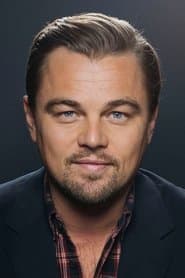
Leonardo DiCaprio
Jay Gatsby

Tobey Maguire
Nick Carraway

Carey Mulligan
Daisy Buchanan

Joel Edgerton
Tom Buchanan

Elizabeth Debicki
Jordan Baker

Isla Fisher
Myrtle Wilson

Jason Clarke
George Wilson

Amitabh Bachchan
Meyer Wolfsheim

Callan McAuliffe
Teen Jay Gatsby

Adelaide Clemens
Catherine

Steve Bisley
Dan Cody

Richard Carter
Herzog

Jack Thompson
Dr. Walter Perkins

Vince Colosimo
Michaelis

Max Cullen
Owl Eyes
Mal Day
The Boss-Probity Trust
Reseñas
Marco-Hugo Landeta Vacas
enero de 2026
(CASTELLANO) No esperaba encontrarme con esta versión de la historia. De hecho, al principio cuesta entrar en ella. El cine de Baz Luhrmann es excesivo por naturaleza y aquí decide no contenerse en absoluto: todo es grande, brillante, ruidoso y acelerado. Puede descolocar, incluso cansar, pero con el paso de los minutos la película empieza a imponer su propio ritmo y, sorprendentemente, termina funcionando. No es una adaptación clásica ni lo pretende. Esto no es Fitzgerald en estado puro, sino un Gatsby filtrado por el imaginario de Luhrmann, con un enfoque más cercano a la ópera pop que al drama literario. A ratos parece que el espectáculo se lo come todo, pero también hay momentos en los que la película se detiene lo justo para dejar respirar a los personajes y ahí es donde empieza a ganar peso emocional. Leonardo DiCaprio está francamente bien. Su Gatsby es vulnerable, obsesivo y trágico sin necesidad de subrayados, y consigue transmitir esa mezcla de grandilocuencia y fragilidad que define al personaje. Joel Edgerton, por su parte, aporta solidez y contención, actuando como un contrapunto necesario dentro de tanto exceso visual. Se agradece esa base más terrenal entre tanto artificio. El gran problema de la película es que no siempre sabe cuándo parar. El uso constante de recursos visuales, la música anacrónica y el montaje hiperactivo acaban diluyendo parte del impacto dramático. Hay escenas que piden silencio, pausa o contención, y Luhrmann rara vez se lo concede. Aun así, cuando la historia logra imponerse al espectáculo, el resultado es potente. Al final, esta versión de El gran Gatsby no es para todos. Es irregular, excesiva y a veces agotadora, pero también es distinta, valiente y coherente con la mirada de su director. Puede que no capture toda la profundidad del texto original, pero sí logra transmitir la sensación de un sueño grandioso destinado a romperse. (ENGLISH) I didn’t expect this version of the story. In fact, it’s hard to get into at first. Baz Luhrmann’s cinema is excessive by nature, and here he decides not to hold back at all: everything is big, shiny, loud, and fast. It can be disorienting, even tiring, but as the minutes go by, the film starts to impose its own rhythm and, surprisingly, it ends up working. This is not a classic adaptation, nor does it try to be. This isn’t pure Fitzgerald, but a Gatsby filtered through Luhrmann’s imagination, closer to a pop opera than a literary drama. At times it feels like the spectacle devours everything, but there are also moments when the film slows down just enough to let the characters breathe, and that’s when it begins to gain emotional weight. Leonardo DiCaprio is genuinely strong. His Gatsby is vulnerable, obsessive, and tragic without heavy-handed emphasis, and he manages to convey that mix of grandeur and fragility that defines the character. Joel Edgerton, meanwhile, brings solidity and restraint, acting as a necessary counterbalance amid so much visual excess. That more grounded presence is welcome. The film’s main problem is that it doesn’t always know when to stop. The constant use of visual flourishes, anachronistic music, and hyperactive editing ends up diluting some of the dramatic impact. There are scenes that ask for silence, pause, or restraint, and Luhrmann rarely grants them. Still, when the story manages to rise above the spectacle, the result is powerful. In the end, this version of The Great Gatsby isn’t for everyone. It’s uneven, excessive, and at times exhausting, but it’s also different, bold, and coherent with its director’s vision. It may not capture all the depth of the original text, but it does succeed in conveying the feeling of a grand dream destined to shatter.
Producción